

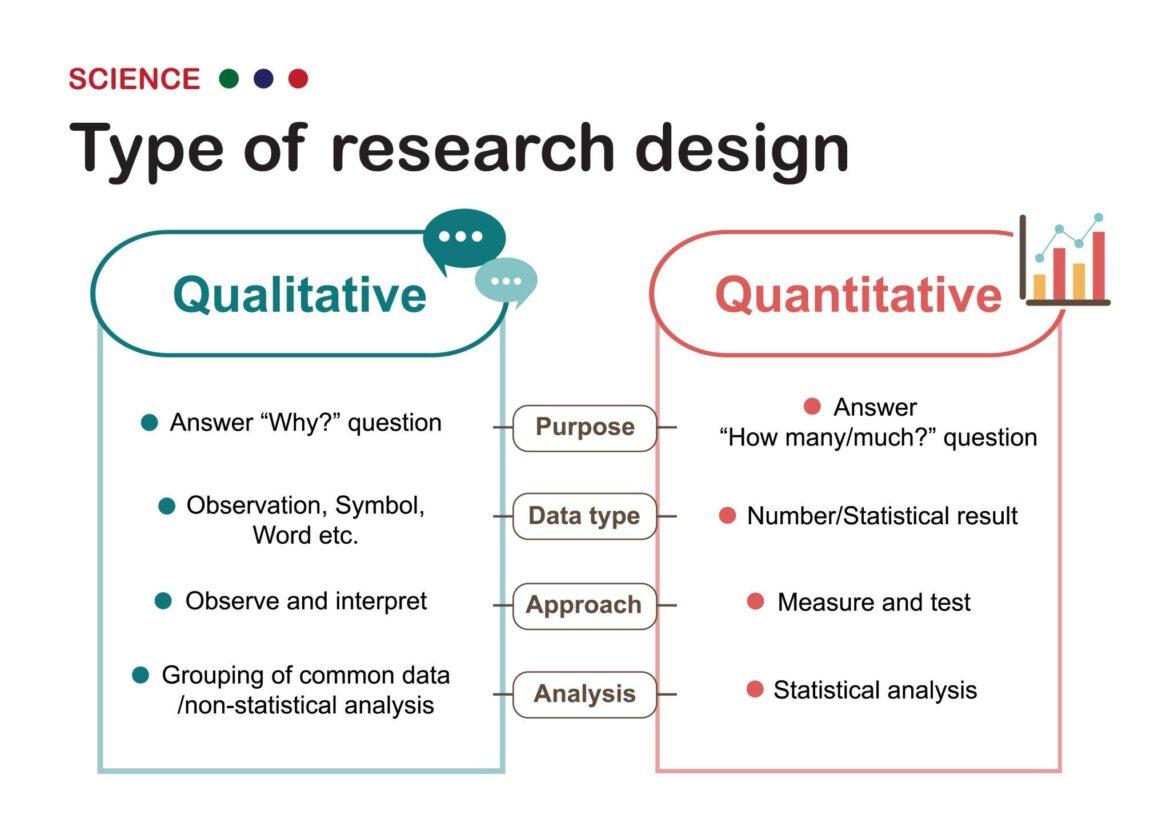
“The true value of research lies in integrating numbers with narratives where quantitative data reveals patterns and qualitative insights explain why they matter.”
Research is the foundation of informed decision-making in business, academia, and policy development. Among the most widely used research methods, quantitative and qualitative research often referred to as quant vs qual play distinct yet complementary roles. Businesses frequently collaborate with a quantitative market research agency to obtain structured, measurable insights, while qualitative research helps uncover deeper human perspectives.
In this blog, we break down quantitative and qualitative research, explore their data collection techniques, compare their strengths and limitations, and analyze which approach works best.
What Is Quantitative Research?
Quantitative research focuses on collecting and analyzing numerical data to identify patterns, trends, and relationships. A quantitative market research agency commonly uses this approach to produce statistically reliable insights that support large-scale decision-making.
Key Characteristics of Quantitative Research
- Relies on numerical and measurable data
- Designed to test hypotheses and validate assumptions
- Uses structured data collection techniques such as surveys, questionnaires, polls, and experiments
- Involves large sample sizes to ensure accuracy
- Analyzes data using statistical methods and software
- Produces objective and replicable results
- Findings can be generalized to broader populations
Advantages
Quantitative research offers precision, consistency, and scalability. It is ideal for measuring customer satisfaction, market size, brand awareness, and performance metrics.
Limitations
While highly accurate, quantitative research often lacks context and does not fully explain the motivations or emotions behind the data.
🔗 Learn more about Quantitative Research
What Is Qualitative Research?
Qualitative research focuses on understanding human behavior, perceptions, and experiences. Instead of numbers, it emphasizes meaning and context.
Key Characteristics of Qualitative Research
- Uses non-numerical data such as text, audio, and observations
- Explores why and how people think or behave
- Common data collection techniques include interviews, focus groups, case studies, and observations
- Typically involves smaller sample sizes
- Uses thematic or narrative analysis
- Flexible and adaptive research design
- Findings are interpretive rather than statistical
Advantages
Qualitative research provides rich, detailed insights and captures emotional, social, and cultural factors that quantitative methods may overlook.
Limitations
Results are harder to generalize and may be influenced by researcher interpretation.
🔗 Learn more about Qualitative Research
Quant vs Qual: Key Differences at a Glance
|
Aspect |
Quantitative Research |
Qualitative Research |
|
Data Type |
Numerical |
Descriptive |
|
Purpose |
Measurement & validation |
Exploration & understanding |
|
Sample Size |
Large |
Small |
|
Data Collection Techniques |
Surveys, experiments |
Interviews, observations |
|
Output |
Statistics & trends |
Themes & insights |
Which Research Method Works Best?
There is no single winner in the quant vs qual debate. The effectiveness of a research method depends on the research objective.
- A quantitative market research agency is best suited for studies requiring measurable, scalable, and statistically valid results.
- Qualitative research works best when the goal is to understand attitudes, motivations, and behaviors.
In many cases, organizations use a mixed-method approach, combining both research methods to gain a more complete and accurate understanding.
Aperion’s Expertise in Managing Quantitative and Qualitative Research Across Diverse Projects
The practical application of quant vs qual research methods is critical for generating actionable insights across industries. Aperion has demonstrated strong expertise in managing both quantitative and qualitative research across a wide range of complex projects, selecting appropriate research methods and data collection techniques based on the specific objectives of each study.
Retail Stores
In retail store research projects, Aperion has applied quantitative research to measure customer footfall, purchase behavior, pricing sensitivity, and satisfaction scores. These findings are complemented by qualitative research methods such as in-store observations and interviews to understand shopper journeys, preferences, and decision-making processes.
Website Interface Testing
For website interface and usability testing projects, Aperion has combined quantitative metrics such as task completion rates, error frequency, and usability scores with qualitative insights gathered through user testing sessions and in-depth interviews. This mixed-method approach helps evaluate both functional performance and user experience.
Bowling Centres and Activity Centres
In bowling centres and activity centres, quantitative research has been used to analyze visitor frequency, peak usage times, customer demographics, and service ratings. Qualitative research supports these findings by exploring customer motivations, group interactions, and experiential factors influencing repeat visits.
Singapore Government Housing
For Singapore government housing research projects, Aperion has managed large-scale quantitative surveys to assess resident satisfaction, service performance, and policy outcomes. Qualitative research techniques, including focus groups and interviews, have been used to gain deeper insights into resident needs, community well-being, and perceptions of the living environment.
Tourism Environment and ATL Research Projects
In tourism environment and ATL research projects, quantitative research supports the measurement of visitor volumes, campaign reach, brand awareness, and recall. Qualitative research adds depth by examining traveler perceptions, destination appeal, and emotional responses to tourism experiences and marketing communications.
Skin Research Laboratories
Within skin research lab projects, quantitative research methods are used to evaluate product efficacy, clinical results, and controlled testing outcomes. Qualitative research complements this by capturing user experiences, sensory feedback, and perceived benefits through interviews and structured usage feedback.
Integrating Quantitative and Qualitative Insights
Across these projects, Aperion’s experience demonstrates the value of integrating quantitative and qualitative research methods. Quantitative data provides measurable evidence and scale, while qualitative insights explain the context and reasoning behind the numbers. This integrated approach supports more accurate analysis, stronger validation, and well-informed decision-making.
Frequently Asked Questions (FAQs)
-
What is the main difference between quantitative and qualitative research?
The main difference lies in the type of data used. Quantitative research focuses on numerical data and statistical analysis, while qualitative research emphasizes non-numerical data such as opinions, experiences, and behaviors.
-
What is meant by “quant vs qual” research?
“Quant vs qual” refers to the comparison between quantitative and qualitative research methods. Quantitative research measures data in numbers, whereas qualitative research explores meanings and insights behind human behavior.
-
What does a quantitative market research agency do?
A quantitative market research agency collects and analyzes numerical data using structured research methods like surveys, polls, and experiments to identify trends, patterns, and measurable insights that support data-driven decisions.
-
When should quantitative research be used?
Quantitative research should be used when the goal is to measure variables, test hypotheses, compare results, or generate statistically reliable data that can be generalized to a larger population.
-
When is qualitative research more suitable?
Qualitative research is more suitable when the objective is to understand motivations, perceptions, attitudes, or experiences in depth, especially during exploratory or early-stage research.
-
Can quantitative and qualitative research be used together?
Yes, both research methods can be combined in a mixed-method approach. Quantitative research identifies trends and patterns, while qualitative research explains the reasons behind those findings.
-
What are common data collection techniques in research?
Common data collection techniques include surveys, questionnaires, and experiments for quantitative research, and interviews, focus groups, observations, and case studies for qualitative research.
-
Which research method is more reliable?
Reliability depends on the research objective. Quantitative research is more reliable for measurement and statistical accuracy, while qualitative research is more reliable for understanding context and human behavior.
Conclusion
Quantitative and qualitative research serve different but equally important purposes. A quantitative market research agency delivers structured, data-driven insights, while qualitative research adds depth and context through human perspectives. Choosing the right method depends on whether the research goal is measurement, exploration, or a combination of both.

