

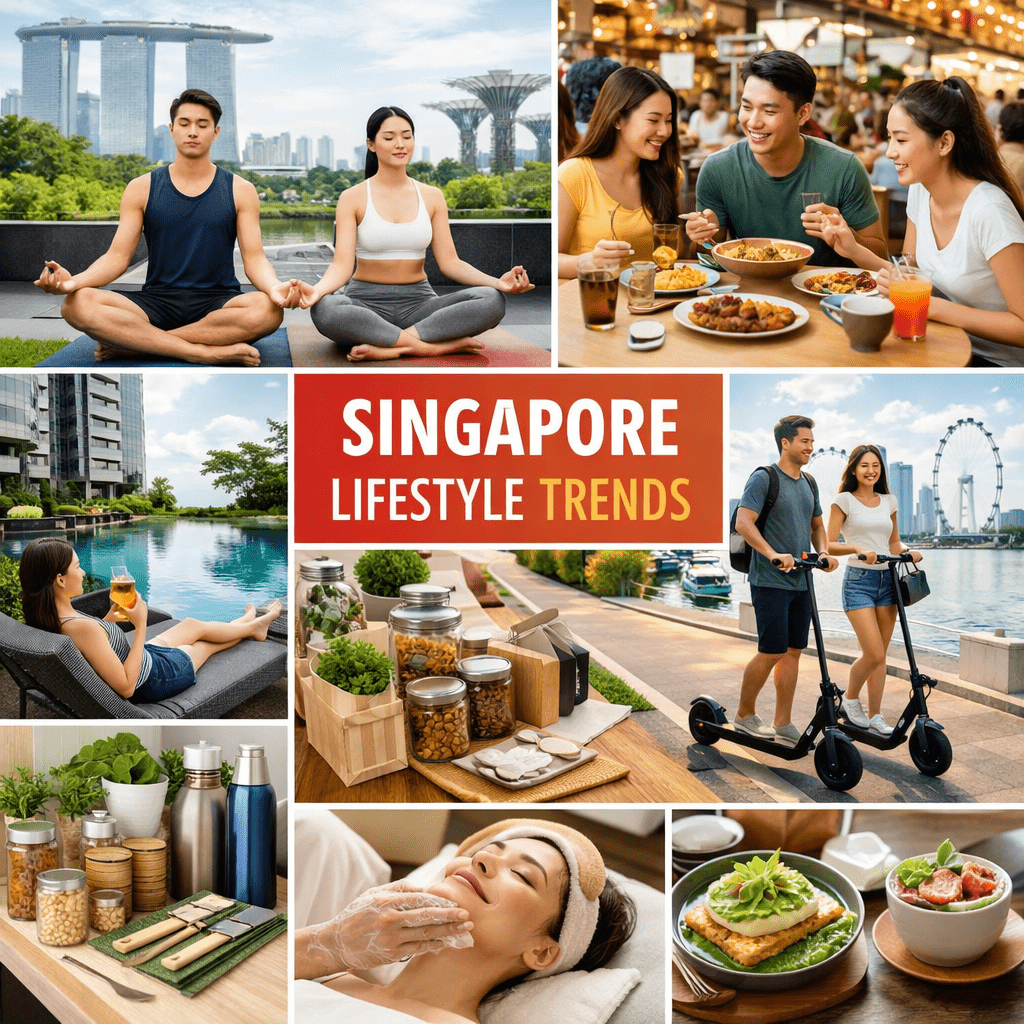
Singapore’s consumer landscape is evolving rapidly in 2026. While inflation has eased compared to the peaks of previous years, consumers remain cautious about discretionary spending. Rather than cutting back entirely, households are becoming more intentional about how they allocate their budgets, prioritising purchases that deliver lasting value, convenience, and meaningful experiences.
Today’s Singapore lifestyle trends reflect a more considered approach to consumption. Consumers are placing greater emphasis on health and wellness, sustainability, financial resilience, and digital convenience. At the same time, businesses are adapting to rising expectations for personalised experiences, omnichannel shopping, and transparent brand values.
These behavioural shifts are influencing everything from retail and hospitality to healthcare, financial services, and technology. For businesses, understanding these evolving Singapore market trends is essential to staying relevant in one of Southeast Asia’s most sophisticated consumer markets.
Singapore’s Lifestyle Evolution in the Post-Pandemic Era
The pandemic fundamentally changed how Singaporeans define quality of life. Before 2020, convenience and consumption often drove purchasing decisions. Today, consumers are more focused on living healthier, spending wisely, and achieving a better balance between work and personal life.
Wellness has become a core lifestyle priority rather than a niche interest. More consumers are investing in preventive healthcare, fitness memberships, nutritious food, mental wellbeing, and activities that promote long-term health. Flexible work arrangements have also encouraged many Singaporeans to spend more on creating comfortable home environments, ergonomic furniture, and technologies that support productivity.
Alongside wellness, sustainability continues to shape consumer behaviour. While environmental concerns remain important, purchasing decisions are increasingly driven by practical considerations such as product durability, energy efficiency, and long-term cost savings. Consumers are choosing products that last longer, generate less waste, and offer better value over time.
This evolution represents one of the most significant Singapore industry trends, influencing product development, retail strategies, and customer engagement across multiple sectors.
Rising Cost of Living Is Reshaping Spending Priorities
Although inflation has moderated, the cost of everyday living remains a key concern for many Singaporean households. Expenses related to groceries, utilities, transportation, housing, education, and healthcare continue to influence budgeting decisions.
Instead of reducing overall spending, consumers are becoming increasingly selective. They are researching purchases more carefully, comparing prices across retailers, taking advantage of loyalty programmes, and delaying non-essential purchases until promotions become available.
Several spending behaviours have become increasingly common:
- Planning household budgets more carefully
- Comparing products before making purchases
- Choosing quality items that last longer
- Reducing impulse purchases
- Seeking discounts and cashback offers
- Consolidating subscriptions and recurring expenses
Consumers are no longer measuring value based solely on price. Instead, they consider the overall benefits a product or service provides, including quality, durability, convenience, and customer experience.
These changes represent some of the most influential consumption trends shaping Singapore’s consumer economy in 2026.
Experiences Are Taking Priority Over Material Goods
One of the strongest Singapore lifestyle trends today is the shift from buying more products to investing in memorable experiences.
After years of travel restrictions and lifestyle disruptions, many consumers are prioritising experiences that contribute to personal wellbeing, social connection, and self-development.
Popular spending categories include:
- International travel
- Local staycations
- Dining experiences
- Live entertainment
- Fitness and wellness programmes
- Educational courses
- Personal development workshops
Consumers increasingly view experiences as investments in happiness and quality of life rather than discretionary luxuries.
This does not mean product purchases have become less important. Instead, physical products are increasingly expected to support experiences. Consumers are purchasing travel accessories, fitness equipment, smart home technology, and wellness products that enhance their daily lives rather than simply adding to material possessions.
For businesses, this shift creates opportunities to move beyond transactional selling and develop experience-led offerings that strengthen customer loyalty.
Digital Lifestyle Trends Continue to Shape Consumer Behaviour
Singapore remains one of the world’s most digitally connected economies, and digital technology now influences nearly every stage of the consumer journey.
Today’s consumers often begin their purchasing decisions online, even when they eventually buy in physical stores. Product discovery, price comparisons, customer reviews, and recommendations from content creators all play a significant role in influencing buying behaviour.
Several digital habits have become deeply embedded in everyday life:
Mobile-First Shopping
Smartphones have become the primary shopping device for many consumers. From browsing products and comparing prices to making payments and tracking deliveries, mobile commerce continues to dominate retail interactions.
Businesses are increasingly investing in mobile-optimised websites, digital wallets, and app-based loyalty programmes to meet evolving customer expectations.
Online Shopping Remains Mainstream
E-commerce has matured beyond being a convenience channel. Consumers now expect seamless integration between online and offline shopping, including flexible delivery options, click-and-collect services, and hassle-free returns.
Retailers that provide consistent experiences across multiple channels are better positioned to build customer trust and encourage repeat purchases.
Social Commerce Is Driving Product Discovery
Social media platforms are becoming powerful shopping destinations rather than simply marketing channels.
Consumers increasingly discover products through:
- Short-form videos
- Livestream shopping events
- Influencer recommendations
- User-generated content
- Community reviews
Authenticity plays an increasingly important role in purchase decisions. Consumers are more likely to trust genuine customer experiences and creator recommendations than traditional advertising.
Digital Payments Continue to Grow
Cashless transactions have become the norm across Singapore. Contactless payments, QR code transactions, digital wallets, and integrated banking apps offer convenience while supporting faster and more seamless shopping experiences.
As digital lifestyles continue evolving, businesses that invest in frictionless customer experiences, data-driven personalisation, and omnichannel engagement will be better positioned to meet changing consumer expectations.
The next section explores how spending habits differ across generations, why consumers are simultaneously trading up and trading down, and what these evolving consumer goods trends mean for businesses operating in Singapore.
Generational Spending Habits: Different Priorities Across Age Groups
One of the defining Singapore lifestyle trends in 2026 is the growing divergence in spending behaviour across generations. While economic conditions affect all consumers, age, life stage, income, and digital adoption significantly influence purchasing decisions.
Baby Boomers: Security and Quality First
Baby Boomers remain focused on financial stability and healthy ageing. Their spending is concentrated on healthcare, insurance, home improvements, travel, and premium products from trusted brands.
Unlike younger consumers, Boomers are less influenced by social media trends and are more likely to prioritise reliability, excellent customer service, and long-term value. They also continue to favour in-store shopping for high-value purchases while increasingly using digital banking and online services for convenience.
Generation X: Balancing Family and Financial Responsibilities
Often referred to as the “sandwich generation,” Gen X consumers juggle supporting ageing parents while financing their children’s education and managing mortgages.
As a result, their spending decisions are highly practical. They actively compare prices, seek loyalty rewards, and invest in products that improve household efficiency or provide long-term savings. Categories such as home appliances, education, healthcare, financial planning, and family travel continue to receive priority.
This generation also demonstrates strong omnichannel shopping behaviour, researching products online before completing purchases either digitally or in physical stores.
Millennials: Investing in Experiences and Personal Growth
Millennials remain one of Singapore’s most influential consumer groups. Having entered their peak earning years, many are directing discretionary income toward experiences that enrich their lifestyles.
Popular spending categories include:
- Travel and staycations
- Premium dining experiences
- Wellness programmes
- Fitness memberships
- Smart home technology
- Personal finance tools
- Sustainable products
Millennials are also highly research-driven consumers. Before making purchasing decisions, they compare reviews, seek peer recommendations, and evaluate whether brands align with their personal values.
For businesses, transparency, authenticity, and personalised customer experiences are becoming increasingly important when engaging this demographic.
Generation Z: Digital-Native and Value-Driven
Generation Z continues to reshape consumer behaviour through its digital-first mindset. Having grown up with smartphones, social media, and online marketplaces, this generation expects seamless digital experiences throughout the buying journey.
Social commerce has become particularly influential, with creator recommendations, livestream shopping, and short-form videos playing a major role in product discovery.
However, Gen Z is also financially pragmatic. While they enjoy experimenting with new brands and trends, they carefully evaluate purchases based on affordability, authenticity, and social impact.
They are more likely to support brands that demonstrate transparency, inclusivity, and environmental responsibility while quickly disengaging from businesses perceived as inauthentic.
Understanding these generational differences has become increasingly important across Singapore industry trends, enabling brands to tailor products, marketing strategies, and customer experiences for diverse audience segments.
Premium vs. Value: Why Consumers Are Trading Up and Trading Down
Perhaps the most interesting development shaping consumption trends in 2026 is the simultaneous rise of premiumisation and value-conscious spending.
Rather than consistently spending more or less across every category, Singaporean consumers are becoming highly selective. They are willing to invest in products and services that offer meaningful benefits while actively reducing expenditure in areas perceived as less essential.
Categories Where Consumers Are Trading Up
Consumers continue spending more on products that improve quality of life, including:
- Healthcare and wellness services
- Premium skincare and personal care
- Travel and leisure experiences
- Technology and smart devices
- Healthy food and functional nutrition
- Education and professional development
These purchases are increasingly viewed as long-term investments rather than discretionary expenses.
Categories Where Consumers Are Trading Down
Conversely, consumers are actively seeking value across everyday purchases such as:
- Groceries through private-label brands
- Household essentials purchased during promotions
- Fast fashion replaced by fewer, higher-quality purchases
- Subscription services consolidated or cancelled
- Dining at casual restaurants instead of premium establishments
This “selective spending” mindset reflects one of the most important consumer goods trends affecting retailers today.
Brands can no longer assume premium positioning alone will justify higher prices. Instead, consumers expect clear evidence of superior quality, durability, convenience, or customer experience before paying more.
Sustainability Continues to Influence Purchase Decisions
Environmental awareness remains an important consideration, although affordability continues to influence final purchasing decisions.
Consumers increasingly favour products that are:
- Durable and long-lasting
- Energy efficient
- Recyclable or refillable
- Responsibly sourced
- Produced with transparent supply chains
Rather than purchasing sustainable products solely for environmental reasons, many consumers now view sustainability as part of overall product quality and long-term value.
Businesses that successfully combine affordability with sustainable innovation are likely to gain stronger consumer trust.
What These Trends Mean for Brands and Businesses
Singapore’s evolving consumer landscape presents both challenges and opportunities. Companies that adapt to changing expectations will be better positioned for long-term growth.
Focus on Value Beyond Price
Consumers are evaluating purchases based on overall value rather than simply choosing the lowest-priced option. Businesses should communicate durability, convenience, quality, and customer benefits clearly throughout the buying journey.
Strengthen Omnichannel Experiences
Consumers expect seamless transitions between physical stores, websites, mobile apps, and social commerce platforms. Investing in integrated digital experiences, faster fulfilment, and consistent customer service will remain critical.
Prioritise Personalisation
Data-driven personalisation is becoming a key differentiator. Consumers increasingly expect tailored recommendations, relevant promotions, and customised experiences based on their preferences and shopping history.
Build Trust Through Transparency
Whether discussing pricing, sustainability initiatives, or product sourcing, transparency is becoming a competitive advantage. Consumers are more likely to reward brands that communicate honestly and consistently.
Innovate Around Wellness
Wellness is no longer confined to healthcare. Businesses across retail, hospitality, finance, food, and technology can create value by integrating wellbeing into products, services, and customer experiences.
Looking Ahead
The defining characteristic of Singapore lifestyle trends in 2026 is intentional consumption. Consumers are not simply spending less—they are spending smarter.
Economic pressures have encouraged households to prioritise purchases that deliver lasting value, while digital innovation continues to reshape how products are discovered, evaluated, and purchased. Experiences, wellness, convenience, and authenticity are increasingly influencing buying decisions across every generation.
For businesses, understanding these evolving Singapore market trends, consumption trends, and consumer goods trends is essential for remaining relevant in a highly competitive market. Brands that combine innovation with transparency, embrace digital transformation, and respond to shifting consumer priorities will be well-positioned to succeed in Singapore’s next phase of growth.
Continue Exploring Consumer Insights
Consumer behaviour across Southeast Asia continues to evolve alongside changing economic conditions and technological innovation.
To gain deeper insights into regional purchasing patterns and emerging opportunities, explore our related resources:
- Consumer Trends 2025 – Discover the key behavioural shifts that laid the foundation for today’s consumer landscape.
- ASEAN Consumer Trends – Explore how consumer preferences are evolving across Southeast Asia and what businesses can learn from regional market dynamics.
Together, these insights provide a broader understanding of the forces shaping the future of consumption and help organisations make more informed business decisions.

